























Soft & Feathery
Gentle, nurturing textures for slow strokes, broad sweeps, featherlight touch, and full-body sensory awareness.
Explore the Collection
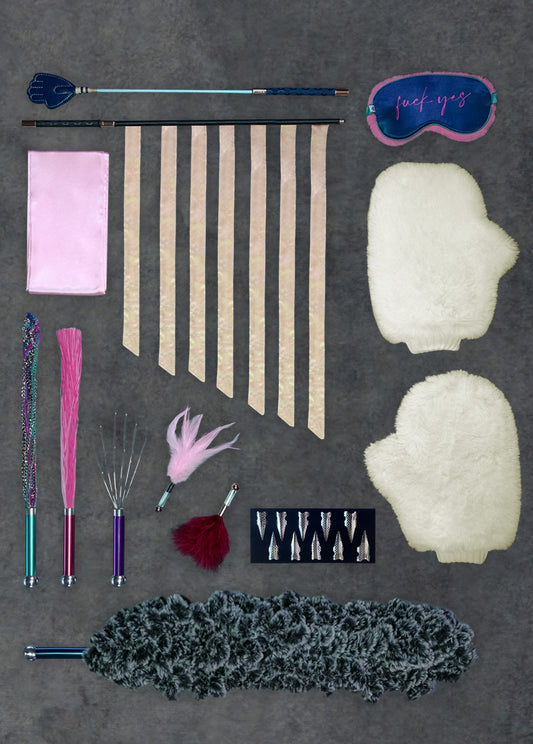
Lit makes tactile intimacy tools designed to help you explore more of what your body can feel. Our collection ranges from feathers, faux fur, and silky satin to scratch tools, impact toys, steel chains, and sensory deprivation. Use them for playful date nights, sensual touch, sensory exploration, foreplay, kink, or simply to discover new ways of connecting through touch.
Find Your Sensation
Start with the kind of touch you're curious about. Stay with one sensation or combine contrasting textures to make familiar touch feel completely different.
Gentle, nurturing textures for slow strokes, broad sweeps, featherlight touch, and full-body sensory awareness.
Smooth, gliding sensations that build anticipation, draw attention across the skin, and can also invite playful restraint.
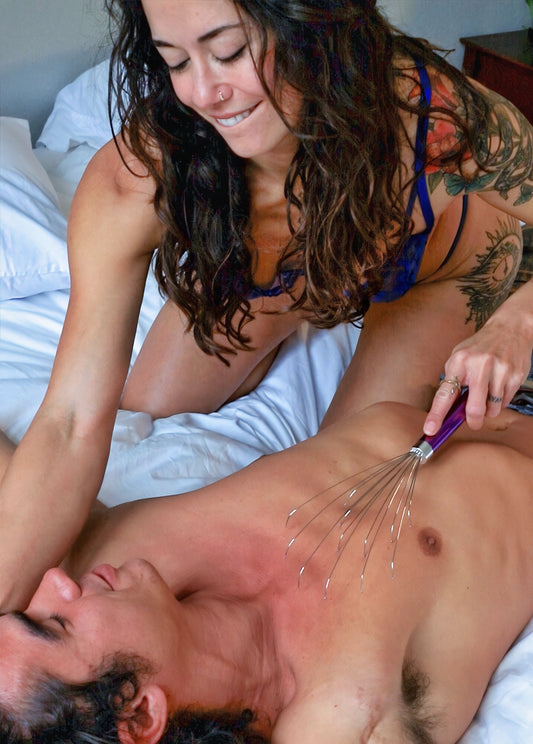
Focused, textured sensations ranging from a satisfying scratch to more concentrated, alerting points of pressure and contrast.
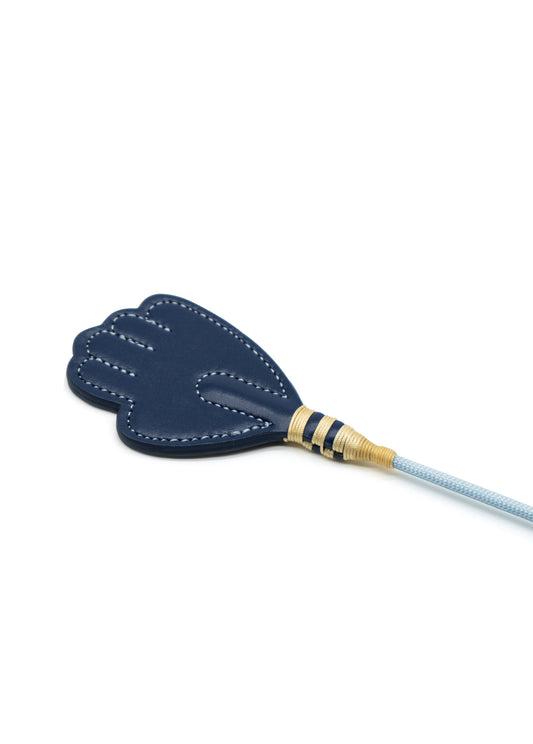
Tapping, patting, thwacking, rhythm, sound, and playful sting—easy to vary from lighter contact to a more intense experience.
Remove sight and anticipation changes. Without knowing exactly what comes next, attention naturally shifts toward touch, sound, movement, and surprise.
More Than Objects
Lit is built around sensation itself: noticing more, communicating more clearly, and discovering how many different ways touch can feel.
Lit begins with the experience of touch itself—not a single function, body part, or finish line. The goal is to make sensation interesting again.
Soft, silky, scratchy, pointed, percussive, cool, weighted, and sight-restricting experiences create meaningful contrast instead of more versions of the same sensation.
The tools invite you to notice, ask, respond, and adjust. Pleasure can be part of the experience without making orgasm—or any other outcome—the requirement.
Lit can absolutely be kinky, but the same tools can also be sensual, playful, exploratory, intimate, or completely non-goal-oriented.
Back scratching, feathers, fur, satin, pressure, and rhythm are familiar experiences. Lit turns up the contrast so you can notice them in a new way.
Lit doesn't stop at selling the object. Education, practices, date-night ideas, and guidance help you explore the tools with more intention, communication, and choice.
Sensation Play 101
You don't have to be experienced—or even know exactly what you're looking for—to start exploring sensation play.
Sensation play is the intentional exploration of physical sensations such as touch, texture, pressure, movement, temperature, rhythm, and sensory contrast. It can be soft and nurturing, teasing and playful, scratchy, percussive, intense, or anything in between.
It doesn't require BDSM, a dominant/submissive dynamic, nudity, intercourse, or orgasm. At its simplest, it's paying closer attention to how different kinds of touch feel.
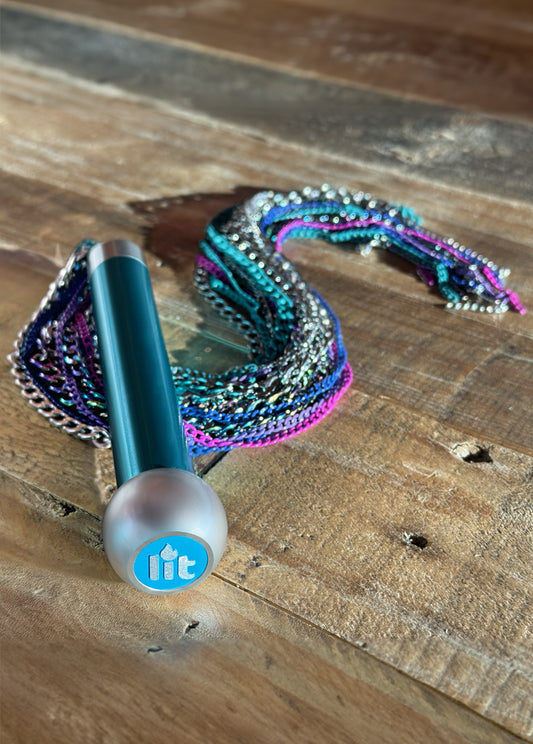
Sensation play toys are tools designed to create or amplify different tactile experiences. That can include feathers and faux fur for soft touch, satin for smooth gliding sensations, scratch tools for concentrated texture, crops or lashes for rhythmic impact, steel chains for cool weight and movement, and blindfolds for sensory deprivation.
No. Sensation play overlaps with kink and BDSM, but it's much broader than either one. You can use the same tools during a sensual date night, foreplay, a playful touch exercise, or simple sensory exploration without using roles, power exchange, or pain.
Good sensory toys are easy to communicate around and give you room to vary the experience. Soft feathers or faux fur can offer a gentle starting point, satin can create anticipation, scratch tools add stronger texture, and a blindfold can make familiar sensations feel less predictable.
If you'd rather explore several sensations together, see our sensation play bundles.
Start with a sensation that already sounds appealing. If you like gentle touch, try feathers, faux fur, or satin. If you're already drawn to back scratching or firmer pressure, a scratch tool may feel more intuitive. A blindfold can also be an easy way to create novelty without adding a stronger physical sensation.
Begin slowly, communicate often, and increase intensity only when both people want to.
Sensation play gives partners a reason to slow down and talk about what they actually like: more or less pressure, faster or slower movement, a different texture, a pause, or something completely new. That shared curiosity can make touch feel more intentional and can create space for connection without requiring a particular outcome.
Think about the quality of sensation you want. Choose soft or silky tools for gentler, flowing touch; scratchy tools for more focused texture and pressure; impact tools for rhythm, sound, and a stronger physical contrast; or sensory deprivation if you want to change the experience by taking sight out of the equation.
There is no required progression. You can stay with the sensations you love or combine opposites to create contrast.
Yes. Sensation play can be part of foreplay, but it doesn't have to be. You can use it before sexual touch, weave it into a longer intimate experience, or let the sensory exploration be the entire activity. Keeping the outcome open gives you more room to notice what actually feels good.
Start with curiosity instead of pressure. You might choose one texture together and agree to explore it for a few minutes, with either person free to pause or change direction at any time. Ask what sounds appealing, what doesn't, and how much intensity each person wants.
During play, simple feedback such as “more,” “less,” “same,” “slower,” or “different” keeps consent and communication active without interrupting the experience.